Spray Foam vs. Blown-In Insulation: Which Is Right for Your Central Indiana Home?
Choosing the right insulation for a Central Indiana home is one of the most important decisions a homeowner can make, and working with a qualified insulation contractor serving Zionsville, IN, can help you sort through the options confidently. Two of the most popular choices today are spray foam and blown-in insulation. Each works well in certain situations, and understanding the differences can save you time, money, and frustration before work ever begins.
How Each Type of Insulation Works
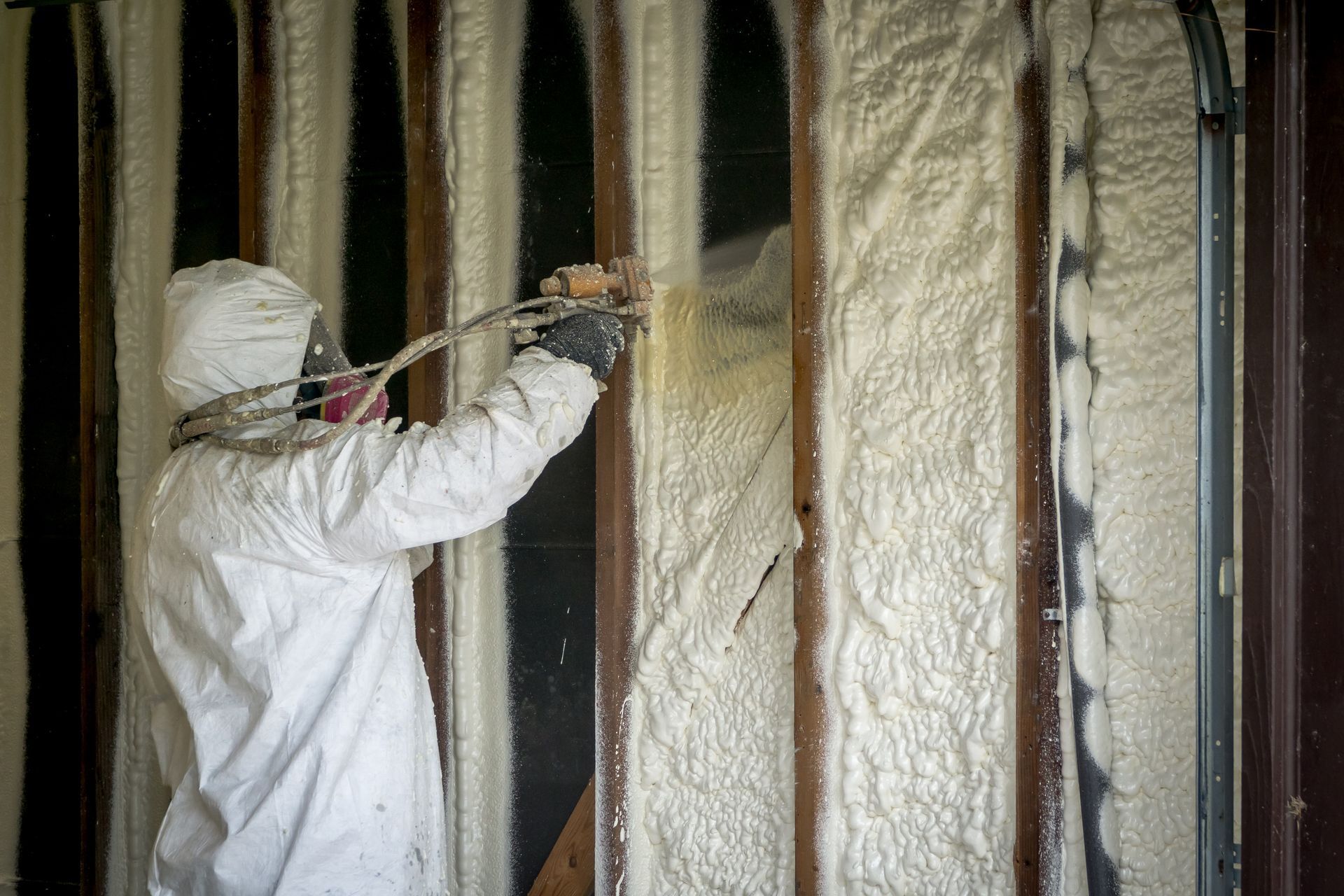
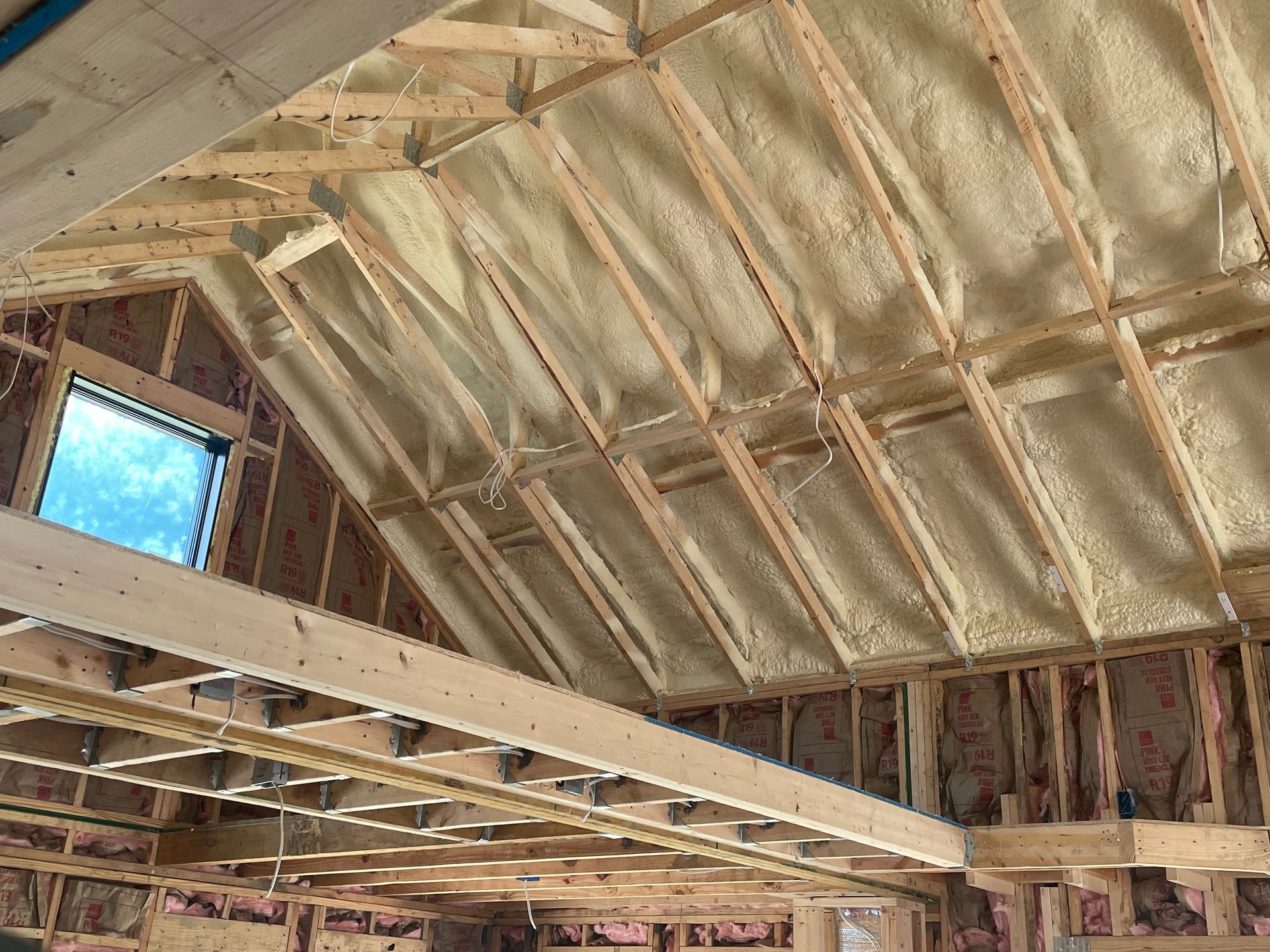
Spray foam starts as a liquid that expands into a solid foam after it is applied. It comes in two forms: open-cell and closed-cell. Open-cell foam is lighter and more flexible, producing an R-value of around 3.7 per inch. Closed-cell foam is denser and delivers approximately R-7 per inch, and it also acts as a vapor barrier. Both types create a tight air seal as they cure.
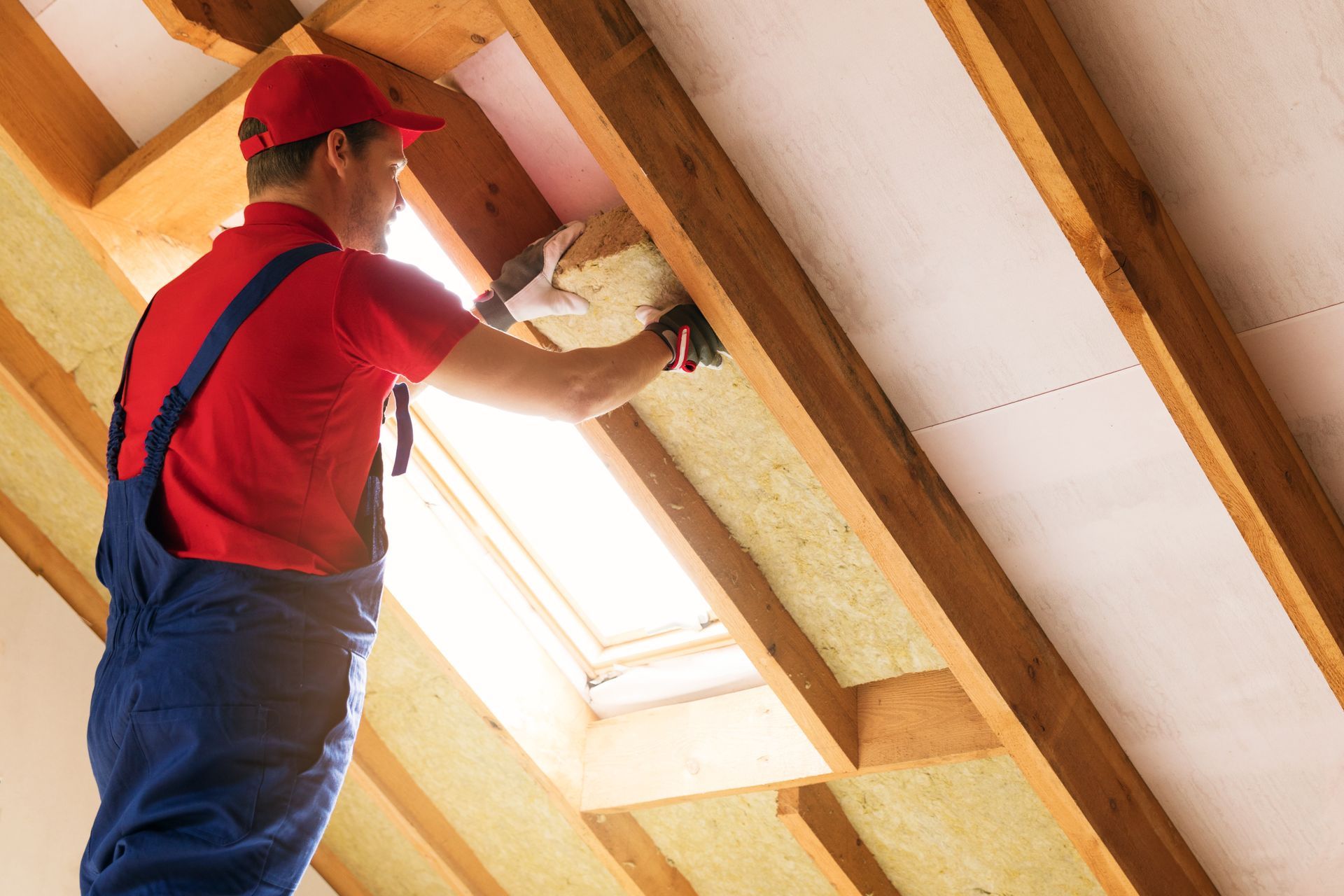
Blown-in insulation, often made from cellulose or fiberglass, is applied using a machine that fills cavities, gaps, and irregular areas with ease. Cellulose, made largely from recycled paper, is a popular eco-conscious option for Central Indiana homeowners.
Why Indiana's Climate Makes This Decision Matter
Indiana sits in Climate Zone 5, where winters are cold, summers are humid, and temperatures swing considerably throughout the year.
Under Indiana's adopted energy code, new residential construction in Zone 5 requires a minimum of R-49 in the attic. Walls typically need R-20, or R-13 paired with R-5 continuous insulation. An insulation contractor who knows local Boone County requirements can make sure your project meets or exceeds code.
Moisture management is especially important in Central Indiana. Crawl spaces in the Zionsville area can trap humidity during spring and fall. Closed-cell spray foam performs well in moisture-prone zones because it does not absorb water. Blown-in cellulose works well in attics where it stays dry but may not be the right fit everywhere.
Best Use Cases by Location in Your Home
Attics: Blown-in cellulose or fiberglass is commonly used in open attic floors and can be installed over existing insulation, making it a practical retrofit option. For new construction with an unvented attic assembly, spray foam applied directly to the roof deck may be the stronger choice.
Crawl Spaces and Basements: Closed-cell spray foam provides both insulation and moisture resistance in one application, making it well suited for vented or semi-conditioned crawl spaces common in the Zionsville area.
Wall Cavities: Dense-pack blown-in cellulose works well in existing walls without opening them up. A small hole is drilled, the material is blown in, and the hole is patched. For new construction, spray foam in wall cavities may deliver superior air sealing.
Spray Foam vs. Blown-In: A Side-by-Side Look
When comparing the two materials, spray foam delivers a higher R-value per inch, reaching up to R-7 with closed-cell, while blown-in typically ranges from R-3.2 to R-3.8. Spray foam provides excellent air sealing and superior moisture resistance, particularly in its closed-cell form, whereas blown-in achieves good air sealing when dense-packed and offers moderate moisture resistance. Spray foam is best suited for crawl spaces, new builds, and unvented attics, while blown-in excels in attic retrofits and existing wall cavities. Some spray foam formulas carry eco-friendly options, and cellulose blown-in is made from recycled content. Both materials require professional installation, though blown-in is at minimum strongly recommended to be handled by a qualified contractor.
How Do You Decide Which Option Is Right?
The answer depends on your goals, your home's age, and the specific area being insulated.
If you are building a new home in the Zionsville area and want maximum air sealing and long-term energy performance, spray foam may offer the stronger result. If you have an existing home and want to upgrade your attic without a major renovation, blown-in is often the faster path to meeting Indiana's R-49 attic minimum. Some projects benefit from combining both: closed-cell spray foam in the crawl space paired with blown-in cellulose in the attic, for example.
Does Spray Foam or Blown-In Insulation Cost More?
Costs vary based on home size, area treated, and installation complexity. The better question is which option delivers the right value for your specific project. Contact a local insulation contractor for a free, no-obligation quote.
Is Blown-In Insulation a Good Fit for Older Zionsville Homes?
It can be an excellent fit. Blown-in cellulose or fiberglass can be added to existing attic floors or dense-packed into walls with minimal disruption. Many older homes in Boone County see meaningful comfort improvements after a blown-in upgrade.
Can Spray Foam and Blown-In Insulation Be Used Together?
Yes, and they often are. A common approach in Central Indiana combines closed-cell spray foam in the crawl space for moisture control with blown-in cellulose in the attic to reach the required R-value depth. An experienced insulation contractor can design a system that uses each material where it performs best.
Ready to Make the Right Call for Your Home?
Go Green Insulation serves Zionsville, IN, and the surrounding Central Indiana region with free estimates and a full energy analysis. Whether you are building new, retrofitting an older home, or tackling a crawl-space moisture problem, the team can walk you through both options and handle the job with care.
Call (317) 258-9687 to schedule your free estimate, book an appointment online, or explore spray foam insulation services in detail. You can also find reviews and directions at Go Green Insulation on Google.