Spray Foam vs. Blown-In Insulation: Which Is Right for Your Carmel, IN, Home in 2026?
Choosing the right insulation type can make a real difference in how comfortable and energy-efficient your Carmel, IN, home feels throughout the year. As a homeowner in 2026, you are likely weighing the two most popular options: spray foam and blown-in insulation. The right choice often depends on where you are insulating, the age of your home, and the specific comfort problems you want to solve.
Why Carmel, IN, Climate Makes Insulation Choice Critical
Carmel sits in Climate Zone 5, which brings cold winters alongside warm, humid summers and frequent freeze-thaw cycles. That combination puts pressure on your home's entire thermal envelope. Poor insulation can lead to ice dams in January, stuffy upstairs bedrooms in July, and energy bills that climb every season.
Indiana's building code sets a minimum attic R-value of R-49 for new construction and major renovations. Home performance specialists often recommend targeting R-60 for optimal Zone 5 performance. Many Carmel homes built before 2000 fall short of today's standards, making an upgrade worth considering. As your local insulation contractor, we can tell you exactly where your home stands.
Spray Foam Insulation: Strengths and Best-Use Areas
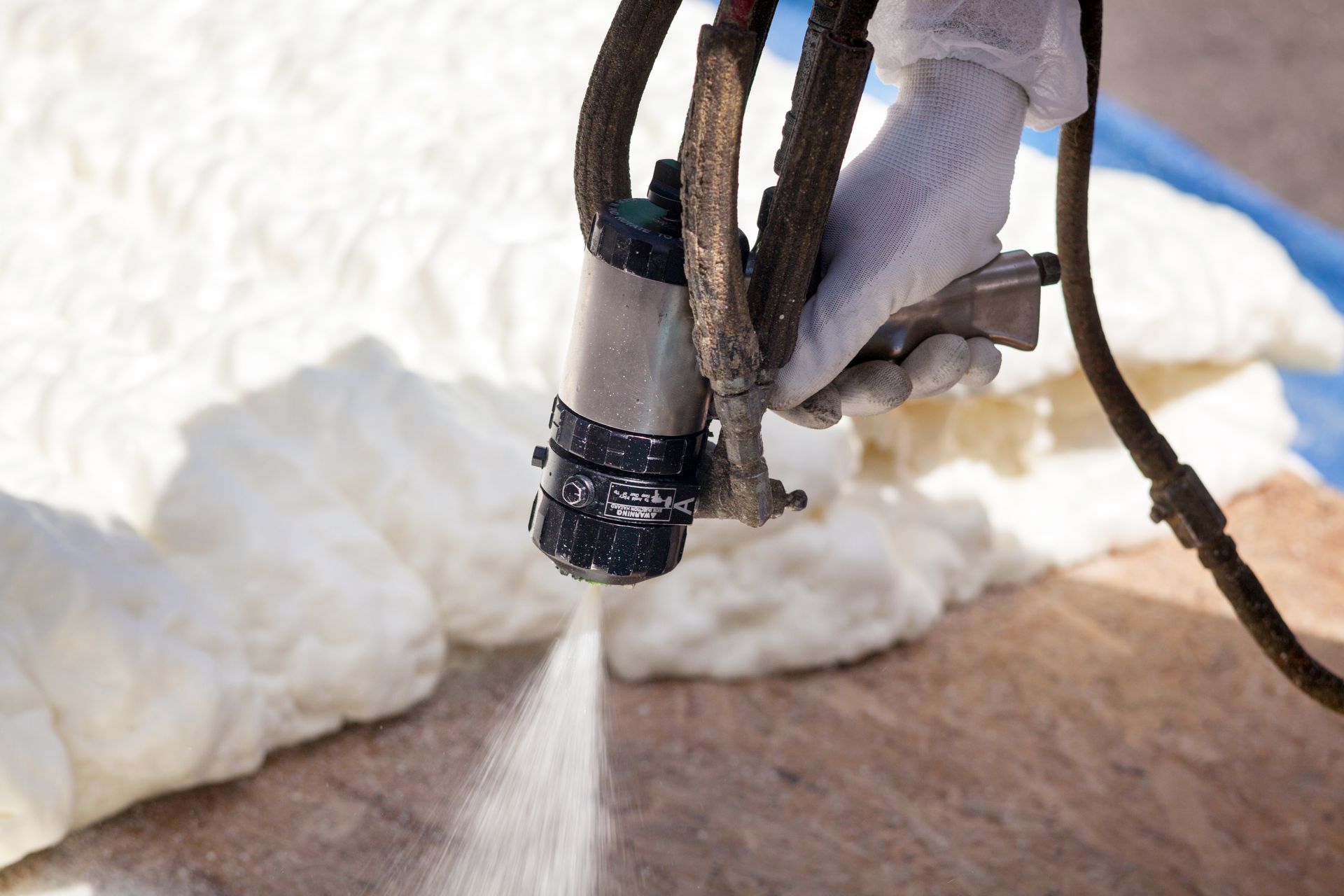
Spray foam provides strong air sealing alongside thermal resistance. It expands to fill gaps and hard-to-reach cavities, making it particularly effective in older Carmel homes where air leakage is a primary comfort problem.
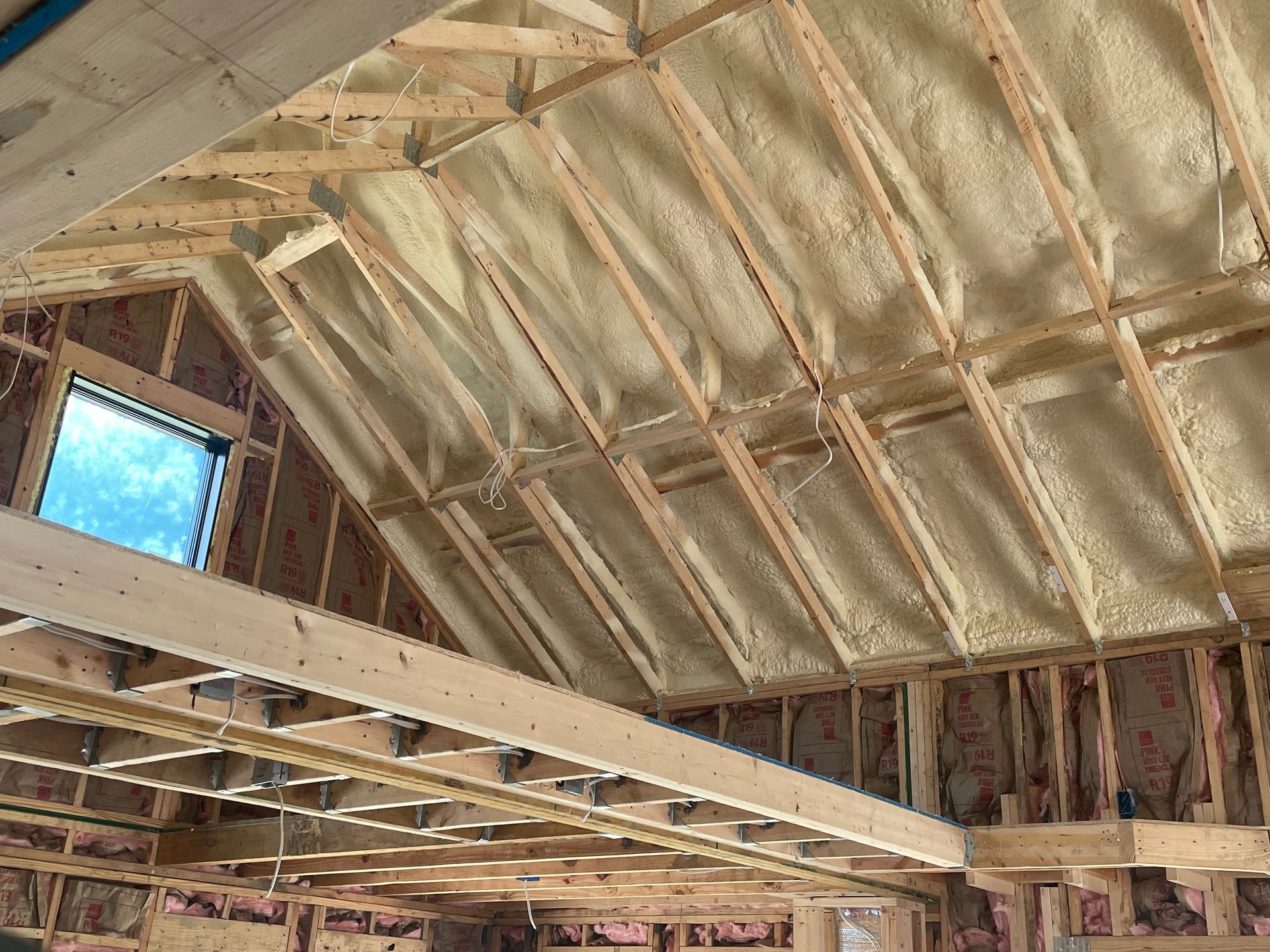
There are two types to know. Closed-cell spray foam delivers approximately R-7 per inch and acts as a moisture and vapor barrier, making it the preferred choice for crawlspaces, rim joists, and basement walls. Open-cell spray foam delivers around R-3.7 per inch and is lighter and more flexible, often used in attic rafters and wall cavities where sound control is also a priority.
Because Carmel's humid summers push moisture into crawlspaces and rim joist areas, closed-cell foam may offer meaningful protection against both heat loss and moisture damage in those zones. The trade-off is a higher upfront investment compared to blown-in options.
Where Spray Foam Tends to Perform Best
We recommend spray foam for crawlspaces and encapsulated areas where moisture control is critical, rim joists and band joists in older homes with significant air leakage, attic rooflines on homes with unvented attic designs, and tight wall cavities in renovation projects where depth is limited.
Blown-In Insulation: Strengths and Best-Use Areas
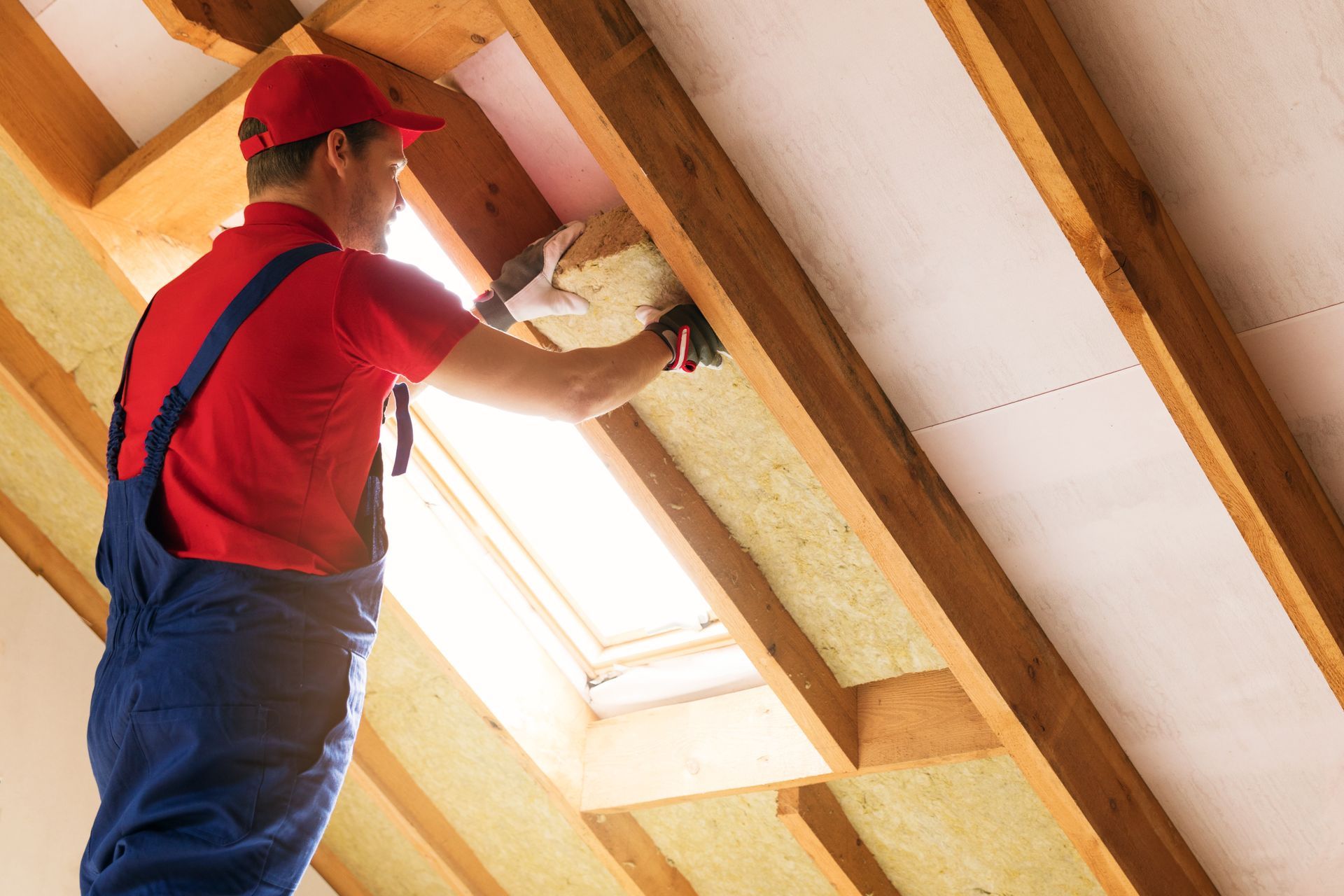
Blown-in insulation is a cost-effective and flexible solution for many Carmel homeowners. Loose-fill material, typically cellulose or fiberglass, is blown into place using a machine, allowing it to settle around joists, wiring, and other obstacles across large, open attic floors.
Cellulose blown-in insulation is made from approximately 85 percent recycled material and fills gaps well while delivering solid thermal resistance. Fiberglass blown-in offers similar coverage and holds a high R-value while resisting moisture and settling over time.
For attic floors in Carmel homes, blown-in insulation is often an excellent fit. Adding depth across an existing attic floor is straightforward, and the material can easily reach the R-49 to R-60 range that Zone 5 calls for. It is also commonly used to top up existing insulation in homes that are under-insulated rather than air-leaky.
Where Blown-In Insulation Tends to Perform Best
We typically recommend blown-in insulation for large, open attic floors in existing homes needing additional depth, homes where the primary problem is insufficient R-value rather than air leakage, wall cavities in older homes through a dense-pack installation process, and projects where budget efficiency is a top priority.
Comparing the Two for Each Home Zone
Each area of your home has different needs. On the attic floor, blown-in cellulose or fiberglass can efficiently reach the high R-values Indiana requires across a wide, open area. In crawlspaces and rim joists, closed-cell spray foam may offer the most complete protection against both heat loss and moisture. For exterior walls, dense-pack blown-in or closed-cell spray foam are both viable depending on access and cavity depth. For interior wall cavities where sound control matters, open-cell spray foam can reduce noise transmission while providing insulation.
Choosing the Right Option for Your Carmel, IN, Home
Spray foam tends to be the better fit when air sealing is the top priority, space is limited, or moisture is a concern in lower areas of the home. Blown-in insulation may be the smarter choice when the goal is adding R-value to an attic floor efficiently and affordably. For many Carmel homeowners, we recommend a hybrid approach, using blown-in insulation in the attic and closed-cell spray foam in the crawlspace and rim joists.
What Is the Best Insulation for Indiana's Climate Zone 5?
Both spray foam and blown-in cellulose can reach the R-49 to R-60 range that Zone 5 recommends for attics. The best choice comes down to where you are insulating and what problems you are trying to solve.
Does Spray Foam Pay for Itself in Indiana Homes?
Spray foam's higher upfront investment can translate to long-term savings on heating and cooling bills, particularly in homes with significant air leakage. The return on investment is often strongest when spray foam is applied in targeted zones such as crawlspaces and rim joists rather than across an entire attic floor.
Get Expert Guidance Serving Carmel, IN
At
Go Green Insulation, we serve Carmel, IN, homeowners with our expert spray foam and blown-in insulation services, free estimates, and energy analysis.
Call (317) 258-9687 to schedule your free estimate, or request a
quote online today. You can also learn more about available
spray foam insulation services to see which options fit your home best.